
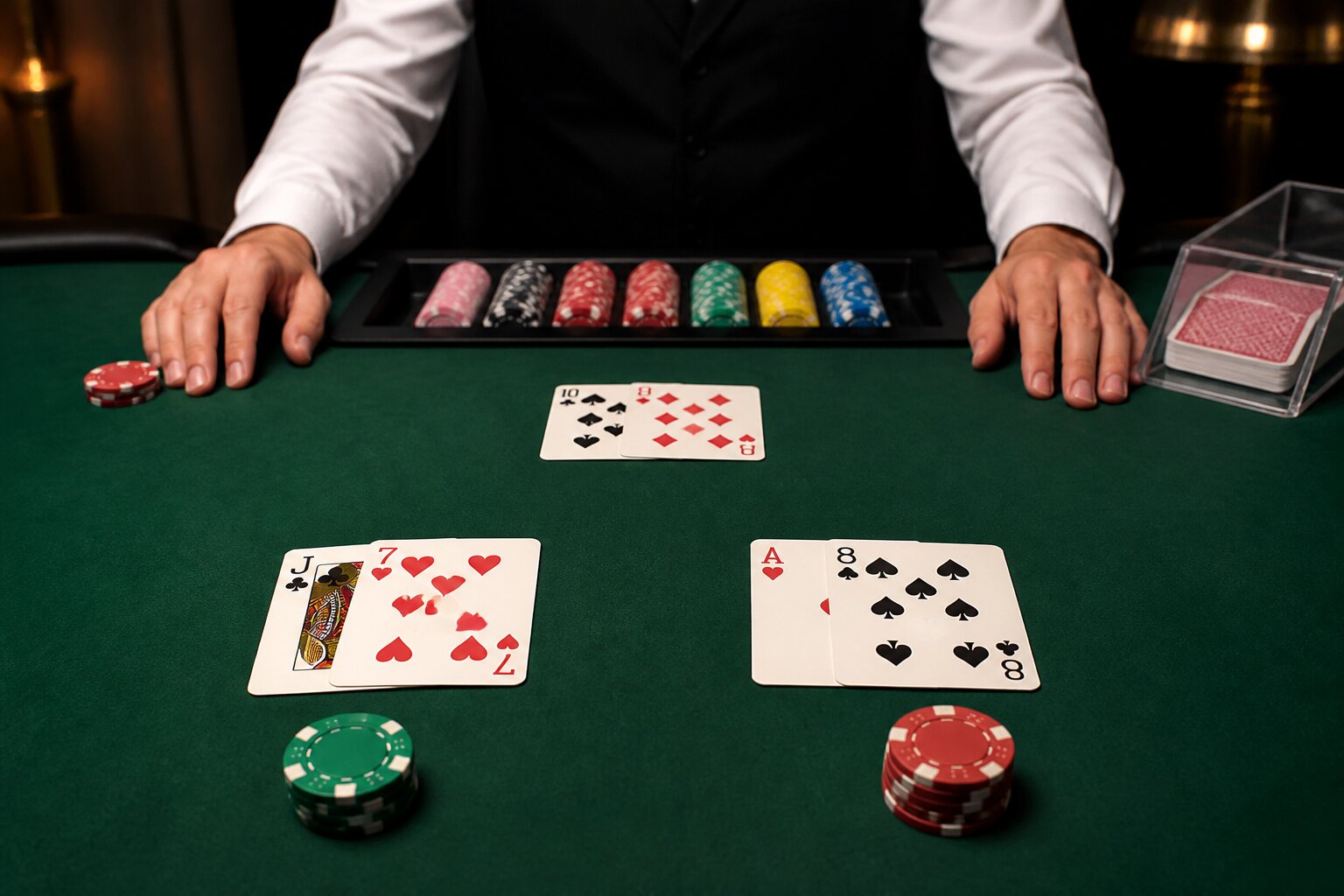
Blackjack is a classic casino card game with quick rounds and straightforward rules. When you sit down at a table or log in online, one practical question often comes up: should you play a single hand, or place bets on two hands at once?
That decision alters how each round feels and how quickly your bankroll moves. This guide looks at the practical differences between one and two hands, the trade-offs involved, and clear tips to help you choose the approach that fits your style and budget.
What Does It Mean to Play Multiple Blackjack Hands?
Normally you play a single hand per round: two starting cards, decisions on that hand, then settlement against the dealer. Playing multiple hands means placing separate bets on two or more hands in the same round, with each hand receiving its own cards and played independently.
You select how many hands to play at the start of a round, subject to the table’s rules. Each hand is treated as an individual contest against the dealer, so you make decisions for one hand at a time while the other sits waiting. The game mechanics and rules are the same for every hand, but your financial exposure increases with each additional bet.
Understanding this basic setup makes it easier to compare the practical implications of single-hand and multi-hand play in the sections that follow.
Should You Stick to One Hand or Try Two in Blackjack?
The right choice depends on what you want from a session. If you’re new to the game or prefer to think through each decision carefully, one hand keeps things simple and allows you to stretch your bankroll across more rounds. This is often the best approach for learning or budgeted play.
Playing two hands adds variety and more decisions per round, which some players enjoy. However, each extra hand requires an extra bet, so your total stake per round rises. If your priority is to manage losses and sustain longer play, a single hand is generally easier to control.
Decide by balancing three things: how much you want to stake per round, how involved you like to be at the table, and whether you prefer pace over preservation. Use that balance to guide your choice rather than aiming to change your odds.
Pros & Cons of Playing One Blackjack Hand
Pros
Playing one hand keeps the session focused and manageable. It allows you to concentrate on each decision without splitting attention, which can reduce mistakes and help you follow a basic strategy more closely.
A single-hand approach typically stretches your bankroll further, so you can enjoy more rounds for the same total stake. The lower overall wager per round can make your play last longer and feel less risky.
This simplicity suits players who are learning or who prefer a measured pace. It is also useful for those who want to stick closely to pre-set spending limits, such as:
- players new to the game who are building confidence,
- people who favour a slower, more thoughtful style of play,
- anyone following a strict budget and aiming to control losses.
Cons
A single hand can feel slower and less varied for those who prefer a busier table. The pace of decisions and amount of action per round are reduced, which may be less exciting for some players.
You also have fewer opportunities to take advantage of short-term swings or to experiment with different plays within a single round. This can mean that potential wins are smaller in the short term compared with playing multiple hands.
Finally, playing one hand can limit the social buzz at a crowded table where making more decisions each round adds to the atmosphere. Keep in mind the need to gamble responsibly and stay within your limits at all times.
Pros & Cons of Playing Two Blackjack Hands
Pros
Playing two hands introduces immediate variety and keeps the round moving more quickly.
- More outcomes per deal, which increases engagement.
- More decisions to make, so experienced players can exercise strategy more often.
- A faster pace, which some players find more stimulating than a single-hand game.
For players comfortable with higher per-round exposure, the extra involvement can make sessions feel more dynamic. Always be mindful that increased activity also means more rapid wins and losses.
Cons
Playing two hands raises your total stake and can deplete your balance faster, particularly if table minimums are significant.
- Your total bet each round is doubled, increasing volatility.
- Bankroll can be consumed more quickly, which shortens sessions unless you increase your budget.
- It increases cognitive load, as making timely, considered decisions for both hands can be challenging.
Most importantly, playing additional hands does not change the fundamental rules or reduce the house edge. It does not give you a structural advantage.
Keep your staking aligned with what you can afford. Before you start, set clear limits on money and time to avoid spending beyond your plan. If gambling stops being enjoyable or you think you may have a problem, seek help and use available support services.
How Do Table Rules Affect Your Choice?
Table rules and minimum bets shape what is practical at any given table. Some tables allow only one hand per player, while others permit several hands but may raise the minimum bet when you play multiple hands. Always check the table’s stake requirements before you commit, so you know exactly what will be taken from your bankroll each round.
If a table’s minimum is high, taking two or more hands can quickly push your per-round commitment beyond a level you find comfortable. That increase in per-round spending can shorten a session or force you to reduce the number of rounds you can afford. Conversely, low-minimum tables make multi-hand play more accessible, but remember that each additional hand increases your exposure every round.
Knowing the rules up front prevents surprises. It also helps you choose an approach that matches:
- your comfort level with how much you are risking per round
- the length of session you intend to play and how long your bankroll should last
Always play within your limits and consider setting a loss limit or session budget before you start.
Does Playing More Hands Increase Your Chances to Win?
Playing multiple hands gives you more results per round, but it does not change the fundamental probabilities embedded in the game. Each hand follows the same rules and is settled independently, so adding hands does not improve your overall expected outcome.
Some players prefer the variety and the feeling of being more active, while others favour the consistency of a single, controlled stake. Either way, the decision should be about how you want to experience the game, not a belief that it will change the long-term result.
If you want to moderate risk, keep your total exposure per round within limits that you are comfortable with.
When Might Playing Two Hands Be a Bad Idea?
Two hands becomes a risky choice when your bankroll is small relative to the table stakes. The doubled bet per round speeds up the rate at which funds can be lost, and it can force difficult decisions when you need to conserve money.
High minimums, short sessions, or a desire to think carefully about each move are all good reasons to stick to one hand. Feeling rushed, flustered, or pressured at the table is a clear sign to reduce complexity and opt for a simpler approach.
Make decisions that preserve the quality of your experience: if the game stops being enjoyable, scale back and reassess.
Top Tips for Deciding How Many Blackjack Hands to Play
Begin by setting a firm spending limit that you will not exceed. Treat your session budget as the primary guide when choosing how many hands to play.
Factor in your familiarity with blackjack. Less experienced players benefit from the clarity of a single hand, while experienced players comfortable with faster decisions may feel at home playing two.
Check table rules and minimum bets before sitting down, and make sure the per-round commitment matches your plan. If you do play multiple hands, consider reducing bet sizes to keep your overall stake steady.
If you notice stress or rushed choices, pause and reassess. Keeping the session within your planned limits will help the game remain enjoyable and under your control.
Common Myths About Playing Multiple Hands in Blackjack
One persistent myth is that multiple hands somehow tilt the game in your favour; in truth, each hand is settled on its own merits under the same rules. Another mistaken belief is that playing extra hands can influence the dealer’s cards or reverse earlier losses. These ideas confuse process with outcome.
A more practical misconception is that doubling up is an effective way to chase lost money. In reality, increasing the number of hands amplifies exposure and can accelerate losses, not recover them.
Accepting the real mechanics of the game—how hands are dealt and resolved—helps you make choices based on risk management and personal preference rather than myths.
Final Thoughts on Picking One or Two Blackjack Hands
Choosing one or two hands is a personal decision that should reflect your budget, experience and how you want to enjoy the game. One hand offers control and longevity, while two hands increase engagement at the cost of greater financial exposure per round.
Keep your staking aligned with a pre-set limit, check the table rules, and stay attentive to how you feel while playing. If the session stops being enjoyable, step back and reassess. Support organisations provide confidential advice if you ever feel you need help.
Whichever approach you choose, make it one that preserves both your enjoyment and your control over the session.
**The information provided in this blog is intended for educational purposes and should not be construed as betting advice or a guarantee of success. Always gamble responsibly.