
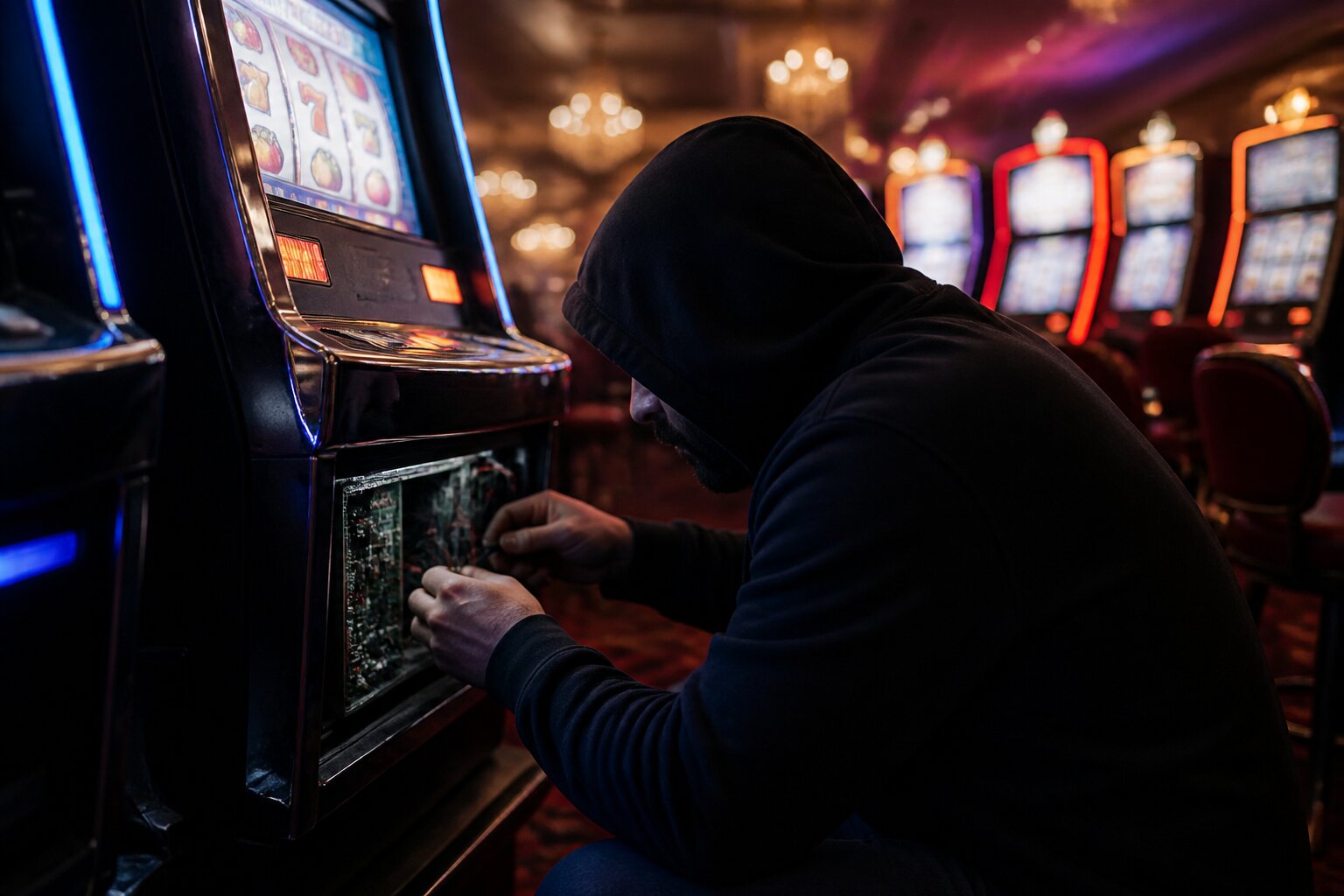
Ever wondered what the mysterious “Monkey Paw” tool is when it comes to slot machines? You may have seen videos, read forum posts or heard stories that make the device sound like a secret way to beat the machines.
Those accounts have helped build the tool’s notorious reputation, but the truth is more mundane and far clearer once you separate fact from fiction. Before anyone considers using or even handling such a device, it helps to understand how it worked, why it fell out of use, and the legal consequences of attempting to tamper with gambling equipment.
Read on to learn how the Monkey Paw was intended to operate, why modern machines are largely immune, and what the law says about this sort of interference.
What Is a Slot Machine Monkey Paw Tool?
The Monkey Paw tool is a simple, often improvised device made from a bent wire or metal rod. It was shaped to be pushed into small openings on older, mechanical slot machines so the user could try to disturb moving parts or sensors.
People used it in an attempt to make a machine register a payout without a legitimate win. Because earlier machines relied on mechanical linkages and electro-mechanical sensors, they had vulnerabilities that could be exploited by inserting objects into coin chutes, payout trays or other access points.
As slot technology moved from mechanical systems to fully electronic and computerised machines, the practical use of such a tool diminished. Modern machines are built with tamper-resistant components and continuous monitoring, so the Monkey Paw is now largely an historical footnote. Importantly, attempting to use or possess such a device with the intention to interfere is unlawful.
How Does the Monkey Paw Tool Operate in Slot Machines?
The basic idea behind the Monkey Paw was to interfere physically with a machine’s internal mechanism. A wire might be pushed through the coin slot or payout tray to nudge a lever, block a sensor or otherwise prompt the machine to release coins or credits.
Those attempts relied on predictable, mechanical behaviour: if a particular part was moved or held at a certain point, the machine could be made to act as though a winning condition had been met. These weaknesses were most common in machines from the 1980s and 1990s that used mechanical switches and simple sensors.
Today’s slot machines use encrypted communications, microprocessors and sealed units that trigger alarms if opened or tampered with. Where mechanical systems could be fooled by a physical object, modern designs detect anomalies and log them for inspection. So while the Monkey Paw targeted mechanical vulnerabilities, it is ineffective against current electronic protections.
Using any device to interfere with a machine is a form of cheating and carries legal consequences. It also undermines the fairness of the game for other players and the operators who must maintain secure equipment.
Is the Monkey Paw Tool Legal in the UK?
No. Using or possessing a tool intended to tamper with gambling equipment is illegal in the UK. The Gambling Act 2005 and rules set by the gambling regulator make clear that interfering with machines or attempting to cheat is a criminal matter. Operators and regulators treat any device designed to manipulate outcomes as prohibited.
The illegal status covers both trying to alter the behaviour of a machine and having equipment with the clear intent to do so. Even attempting to use such a device can be sufficient for law enforcement or venue staff to take action. This applies across land-based premises and regulated remote gambling where applicable.
Potential Legal Consequences of Using Such Devices
People found trying to use tampering devices can face criminal charges, fines and a permanent criminal record. In more serious cases, prosecution can lead to imprisonment. Venues also have powers to remove and ban individuals suspected of wrongdoing, and they may pass details to the police or industry bodies.
Beyond criminal penalties, there can be civil or administrative consequences:
- confiscation of the device by police or venue security,
- civil claims from operators if damage or loss results,
- long-term bans from casinos and betting shops and restrictions imposed by industry organisations.
The law treats tampering seriously because it threatens the integrity of gambling and public confidence in regulated operations. That is why operators, staff and regulators work together to detect and deter this behaviour, and why penalties can be both severe and lasting.
Are Slot Machine Monkey Paw Tools Still Used Today?
Widespread use of Monkey Paw tools has effectively ended. The shift to computerised machines, tamper-evident seals, and remote monitoring removed the technical opportunities those tools once sought to exploit.
Regulated venues are required to use equipment that meets testing and security standards. Regular inspections, software integrity checks and surveillance systems make it difficult for anyone to interfere without detection. Where attempts are discovered, venue procedures and law enforcement can respond quickly.
Although tales of people trying old tricks still surface online, modern protections mean these devices are no longer a practical threat to contemporary gaming equipment.
If you are curious about how protections work, the next section looks at common myths and why they persist.
Myths Surrounding the Monkey Paw Tool
Stories about unstoppable tools and secret hacks circulate because they make compelling narratives, but the reality is less dramatic. Even when mechanical machines were common, successful cheating was rare and often short lived. Devices were frequently clumsy, easily detected and ineffective against the many safeguards operators had in place.
Some accounts of big wins are embellished or misremembered. Other tales come from films and online forums where a good story spreads without technical verification. The key point is that no external device can reliably override the safeguards built into modern machines or the regulatory oversight that applies to gaming venues.
Scepticism is useful here. If a method sounds like a guaranteed shortcut, it is worth questioning where the evidence comes from and whether that scenario applies to current equipment.
Recognising and Preventing Slot Machine Tampering
Because modern machines are more secure, recognising tampering requires attention to subtle signs. Visible damage, loose panels, unusual wiring or inconsistent behaviour such as machines that reset unexpectedly can all be indicators. Suspicious behaviour by people lingering near machines, repeatedly opening access points or carrying tools should also be noted.
Staff training and venue procedures play a large part in prevention. Regular hardware checks, software audits and surveillance reviews are part of maintaining secure operations. When issues are identified they are investigated and reported, which helps maintain public confidence in the fairness of the games.
What to Do if You Suspect Tampering
If you notice something unusual around a machine, tell a member of staff so they can investigate. Venue staff are trained to follow procedures that protect customers and preserve evidence where needed.
For concerns about broader wrongdoing or criminal activity, contacting the local police is appropriate. You can also seek support from organisations that advise on gambling-related harm or report incidents through official channels provided by the venue or regulator. By reporting concerns promptly you help protect other players and ensure machines remain secure.
By staying aware of the signs and alerting staff when something seems wrong, you contribute to a fair and properly regulated environment for everyone.
**The information provided in this blog is intended for educational purposes and should not be construed as betting advice or a guarantee of success. Always gamble responsibly.