
Blackjack is full of quick calls at the table, and few hands spark as much discussion as the soft 17. If you’ve watched players and dealers act differently on that hand, it helps to know exactly why.
This article explains what a soft 17 is, how it affects play for both dealer and player, and what the common house rules mean for your decisions. Read on to get clear, practical insight that will make the next time you sit down at a blackjack table feel a little less uncertain.
What Does Soft 17 Mean in Blackjack?
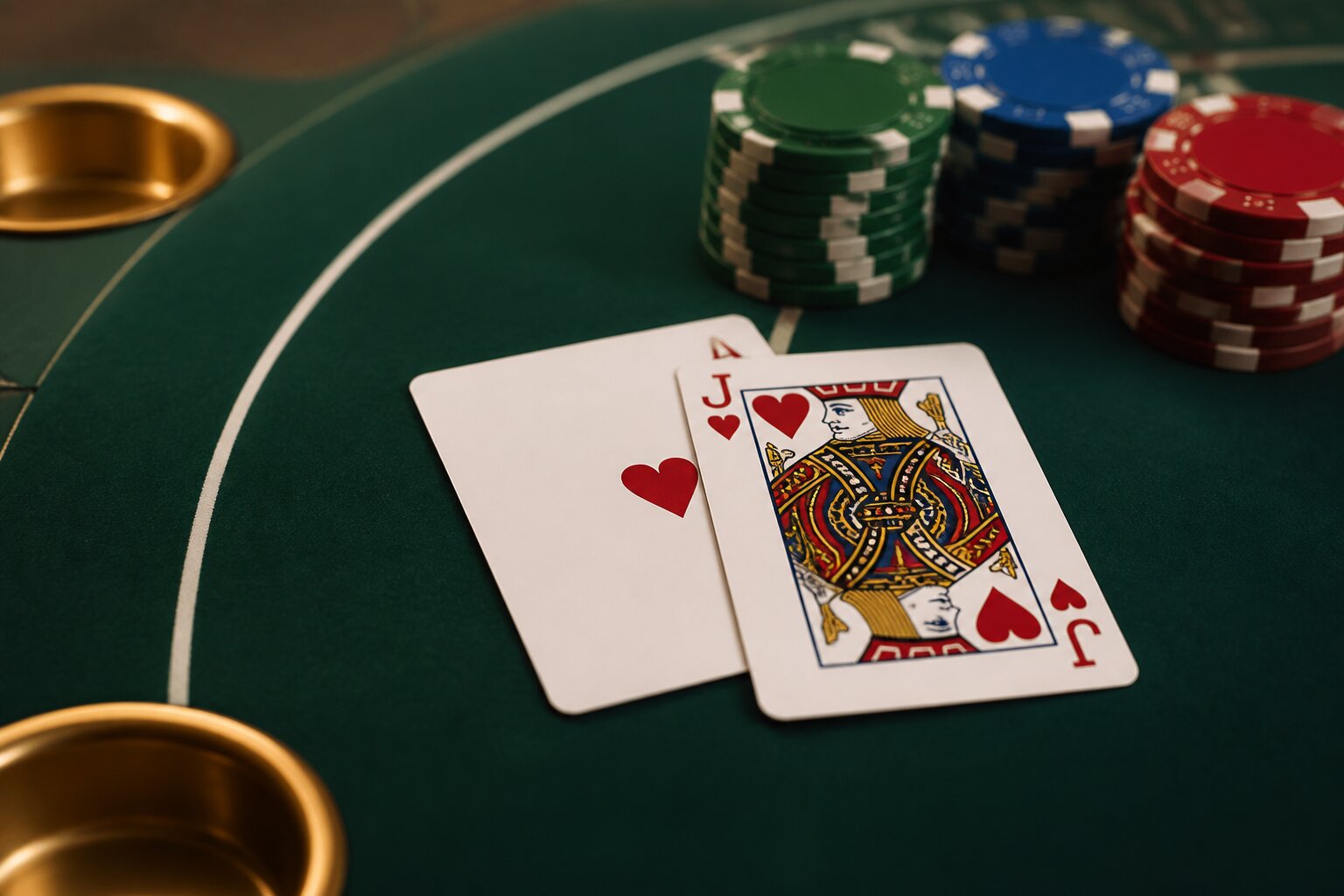
A soft 17 is any hand that includes an Ace counted as 11 and other cards adding up to six. Typical examples are Ace–6 or Ace–2–4. The key point is the Ace’s dual value: it can be 11 or 1. If the next card would push the total above 21 when the Ace is counted as 11, the Ace drops to 1 and the hand survives.
That flexibility is what distinguishes a soft 17 from a hard 17. A hard 17 is either an Ace that must count as 1 or a combination of cards totalling 17 without an Ace counted as 11. Recognising which kind of 17 you (or the dealer) hold changes how the hand is played and how you should think about the next card.
How Does Soft 17 Affect the Game?
Because a soft 17 cannot immediately bust if the player or dealer takes a card, it opens strategic options that aren’t available with a hard 17. For players, this means there is scope to press an advantage in certain situations; for dealers, whether they take another card depends on the table rules.
A difference in dealer behaviour on soft 17 can shift the table’s dynamics. If dealers hit, they might improve marginal hands more often, which subtly changes the typical outcomes you’ll see over time. If they stand, those soft 17s remain static and the dealer is less likely to turn a mediocre total into something stronger.
Being aware of these effects helps you interpret the game state and make choices that fit the table you’re at.
Dealer Rules: What Happens on Soft 17?
Dealers do not make personal strategy choices; they follow the casino’s rules printed at the table. Some tables require the dealer to stand on soft 17, while others require the dealer to hit. That distinction matters because it changes how the dealer’s totals develop and therefore how you should respond to their upcard.
If a dealer stands on soft 17, their range of possible totals is narrower and more predictable. If the dealer hits, they will draw more often and sometimes convert a soft 17 into a stronger hand. Before you play, check the table notes or ask staff so you know which rule applies and can factor it into your decisions.
Think about this rule as part of the playing environment: it doesn’t change how a soft 17 is valued, but it changes the likely path the dealer will follow.
Should You Hit or Stand on a Soft 17?
There is no single move that is always correct; the right call depends on the dealer’s upcard and the table rules. With a soft 17, players often have more latitude than with hard totals because the Ace’s flexibility reduces the risk of busting on the next card.
When the dealer shows a low upcard, some players will adopt a more aggressive posture, aiming to improve the hand. Against stronger upcards, players may be more cautious or consider options like doubling where allowed and appropriate to the dealer’s visible weakness. The important point is to weigh the dealer’s position and the house rules rather than relying on a single rule of thumb.
Soft 17 in Player Hands Explained
As a player, a soft 17 should prompt you to think about possibilities rather than lock into a single action. The hand is not a finished total; it can be developed. Hitting is a common choice because the risk of busting on one card is low, and a good draw can produce a much stronger total. Where doubling is permitted and the dealer’s upcard is weak, some players will double to increase potential return, recognising the increased exposure and variance that comes with that move.
Remember that every decision interacts with the dealer’s visible card and the table rules. Consider your overall bankroll and how much you want to risk on any single hand rather than treating soft 17 as a standalone decision.
Soft 17 in Dealer Hands Explained
When the dealer holds a soft 17, their action is automatic and determined by the table’s rule. You cannot influence this decision, but knowing whether the dealer will hit or stand helps you anticipate possible outcomes and plan your play within the rules.
For instance, if the dealer hits on soft 17, two main things can occur:
- The dealer may convert the soft 17 into a higher total by drawing a favourable card while keeping the Ace valued as 11.
- The dealer may draw a card that forces the Ace to become worth 1, turning the hand into a weaker hard total.
If the dealer stands on soft 17, their total remains fixed and therefore more predictable. That predictability can feed back into how aggressively you play your own hand and whether you choose options where allowed by the rules, such as doubling down or taking insurance. Use this information to make decisions consistent with the table rules and responsible play.
Is Soft 17 Treated Differently in UK Casinos?
Treatment of soft 17 does vary between casinos and between tables. Typically you will find two main approaches to how dealers play a soft 17:
- Dealers are required to stand on soft 17.
- Dealers are required to hit on soft 17.
These choices form part of a casino’s house rules and are usually displayed at the table or in the game information online. It is sensible to check the rule before you start a session so you know which version you are playing.
Knowing the specific rule tells you how the dealer’s totals will most likely evolve and helps you adjust your approach. The difference is relatively small in terms of long-term advantage, but it can alter the flow of a session and the frequency of certain outcomes, such as the number of dealer busts or the chances of the dealer improving a weak hand.
Common Misconceptions About Soft 17
Several mistaken ideas circulate about soft 17. One is thinking it is a particularly strong hand; in fact, while it offers development potential, it is not a finished or high-value total on its own. Another is assuming the same rule applies everywhere; dealer behaviour on soft 17 depends on the specific table rules. Finally, some players overestimate the safety the Ace provides; while it prevents an immediate bust from one card, it does not guarantee a favourable finish.
Common misconceptions include:
- Believing soft 17 is as good as a hard 17. The presence of an Ace gives flexibility, but the total can still be weak compared with higher hands.
- Assuming dealers always hit or always stand on soft 17. Different casinos, and even different tables, can use different rules, so you should check before you play.
- Thinking the Ace makes the hand safe. The Ace reduces the risk of a single-card bust, but the hand can still worsen or fail to beat the dealer.
Clearing up these misconceptions helps you approach the hand with realistic expectations and better judgement. Being aware of the rule variations and the hand's true limitations improves decision-making at the table.
Why Understanding Soft 17 Matters in Blackjack
Grasping what a soft 17 is, how it behaves and how dealers are instructed to treat it gives you a firmer footing at the table. It reduces guesswork, helps you interpret the dealer’s likely path, and informs choices such as whether to hit or press with a double when permitted.
Practical awareness of soft 17 does not promise a win every time, but it does reduce avoidable mistakes and supports decisions made with reason rather than habit. Keep your play measured, be aware of the table rules, and set limits on time and spending before you start so your session stays controlled and enjoyable.
**The information provided in this blog is intended for educational purposes and should not be construed as betting advice or a guarantee of success. Always gamble responsibly.