
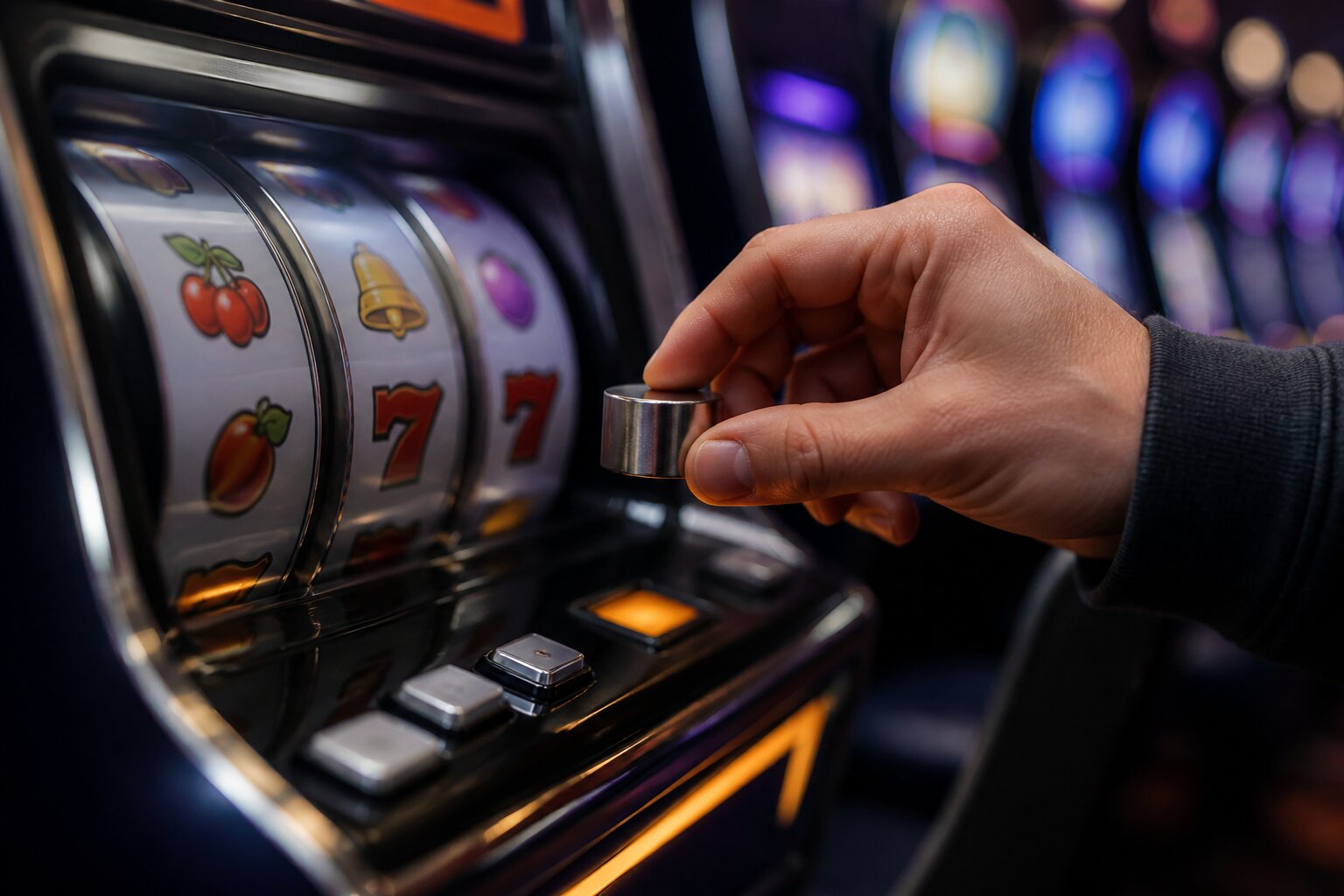
Have you ever heard someone claim they could cheat a slot machine using just a magnet? The story crops up in pubs, online forums and films, and it taps into a simple appeal: the idea that there might be a clever trick to outsmart a machine designed to deliver entertainment.
This article separates fact from fiction. We’ll explain how modern machines operate, why the magnet myth persists, how operators protect their games, and what happens if someone tries to cheat.
Stick with this piece and by the end you’ll see exactly why magnets don’t work and what the real risks are when people try to tamper with gambling equipment.
How Do Slot Machines Really Work?
Modern slot machines are governed by software rather than mechanical parts. At the heart of every spin is a Random Number Generator, or RNG, which instantaneously determines the outcome the moment a spin is triggered. The reels and symbols you see are simply a display of that result; they do not influence the RNG’s decision.
Licensed operators are required to have their RNGs and game software independently tested and certified. These tests confirm that outcomes are unpredictable and that payouts match the published return-to-player figures. Physical cabinets and online platforms also include layers of security to protect the software and hardware from unauthorised access.
Understanding this setup helps explain why no external object or simple tool can change the result of a spin. The next section looks at where the magnet myth came from and why it refuses to die out.
Common Myths About Magnets And Slot Machines
Stories about magnets and slot machines mostly survive as folklore. They started in an era when machines had visible moving parts and occasional vulnerabilities. Today those mechanical weaknesses no longer exist, yet the tales persist because they are dramatic and easy to retell.
People sometimes imagine that a strong magnet could alter a machine’s behaviour, but modern devices have little or no ferrous moving parts that a magnet could affect. Moreover, the systems controlling outcomes are electronic and isolated from the cabinet’s external surfaces. These technical realities make magnet-based tampering ineffective in contemporary machines.
Although the magnet story is largely harmless when told as a curious anecdote, believing it can lead some people into risky behaviour. The following section explains in more detail why magnets cannot influence current slot systems.
Why Did The Magnet Myth Start?
The myth dates back to the mechanical era. Early machines used levers, springs and metal components, and in a few isolated cases those parts could be disturbed. As manufacturers replaced mechanical mechanisms with electronics and microprocessors, those weaknesses disappeared. The myth persisted because stories tend to outlive the technologies they describe.
Are Any Slot Machines Actually Magnetic?
Today’s cabinets and online game clients are not susceptible to magnets in any meaningful way. Components that might respond to magnetic fields are either not used in outcome determination or are enclosed and shielded. Regular testing and sealed designs prevent external interference. In short, there is nothing practical for a magnet to influence when it comes to choosing a spin result.
Can Magnets Trick Modern Slot Machines?
No. Contemporary slot outcomes are produced entirely inside secure electronic systems. Even the most powerful handheld magnet cannot change the internal state of a sealed, certified gaming device or the code running on a protected server. Operators and independent testers use tamper-evident seals, secure enclosures, and software integrity checks to ensure the games operate as intended.
Claims that magnets can control or manipulate modern slots are almost always based on misunderstandings of how the machines work. Attempts to interfere in this way are futile and could draw immediate attention from staff and security, as machines are monitored and any irregular activity is recorded and investigated. With that in mind, the next section looks at the security measures that make tampering so difficult.
How Are Slot Machines Protected Against Cheating?
Slot machines are designed with multiple layers of protection, both physical and digital. Cabinets incorporate locks, sensors and tamper-evident seals; routine maintenance and cash handling are logged and subject to oversight. Surveillance systems monitor the floor, and audits check that hardware and software remain unchanged.
Online platforms use encryption, secure servers and rigorous testing by independent laboratories to confirm game integrity. Licensing conditions require operators to report suspicious activity and to maintain safeguards such as activity monitoring and access controls. These measures work together to preserve fairness and deter anyone thinking about interfering with a machine.
These protections also shape the legal landscape for anyone tempted to try their luck at cheating, which is the subject of the next section.
What Are The Legal Consequences Of Trying To Cheat Slot Machines?
Interfering with gambling equipment is treated as a serious offence. The law prohibits using devices, software or other means to alter the proper operation of gambling equipment. Consequences can include removal from the premises, bans from gambling venues and criminal prosecution, which may lead to substantial fines and custodial sentences in severe cases.
Operators share information about incidents with authorities, and evidence such as surveillance footage and machine logs is routinely used in investigations. A conviction can have lasting effects on employment prospects and personal reputation. Given these outcomes, trying to tamper with machines carries risks that far outweigh any imagined benefit.
The following section presents expert views on the wider implications of attempting to cheat and why the industry takes integrity so seriously.
Expert Opinions: Why Cheating Doesn’t Pay
Industry specialists and regulators emphasise that tampering undermines fairness and trust. The safeguards in place make successful cheating highly unlikely, and detection is frequent. From a practical perspective, the expected costs of being caught—legal consequences, bans and reputational damage—are far greater than any short-term gain.
There is also an ethical dimension: the gambling sector relies on clear rules and transparency so that everyone plays under the same conditions. Maintaining that integrity is essential for players and operators alike. With those points in mind, the closing section draws together the key facts and the practical takeaway for anyone curious about these myths.
Conclusion: Truth Behind Magnet Myths
Magnets cannot be used to cheat modern slot machines. Electronic RNGs, sealed hardware, regular independent testing and robust operational controls together remove any realistic route for magnetic interference. While stories about earlier mechanical machines survive, they do not apply to the technology in use today.
Trying to tamper with a slot machine is not only ineffective but also illegal and potentially damaging to a person’s future. The sensible approach is to treat slot games as regulated entertainment and to follow the rules that protect players and preserve fair play. By understanding how these systems work and the safeguards around them, you can appreciate why the magnet myth has no place in contemporary gambling.
**The information provided in this blog is intended for educational purposes and should not be construed as betting advice or a guarantee of success. Always gamble responsibly.